
When Moving With a Pet Is More Than a Logistics Problem
Pets play a powerful role in the lives of older adults. They provide companionship, a reason to get out of bed, and a steady sense of responsibility and routine. For many seniors, a pet is not just an animal in the home, but a daily anchor to purpose, comfort, and connection.
Research often links strong pet relationships with reduced loneliness and stronger social connection. Dog ownership, in particular, is frequently associated with more walking and movement. At the same time, the evidence is not one size fits all. The benefits of pet ownership depend on the individual, the pet, and the circumstances of daily life.
When it comes time to downsize or move into a more supportive living environment, these bonds can make decisions especially hard.
This is the heart of the issue. A move is not only a logistics problem. It is a relationship problem, a health and routine problem, and sometimes a grief problem.
Housing policies, physical environments, and care needs can all put pressure on a decision that feels deeply personal. Planning early and asking the right questions can make the difference between a thoughtful transition and a heartbreaking one.
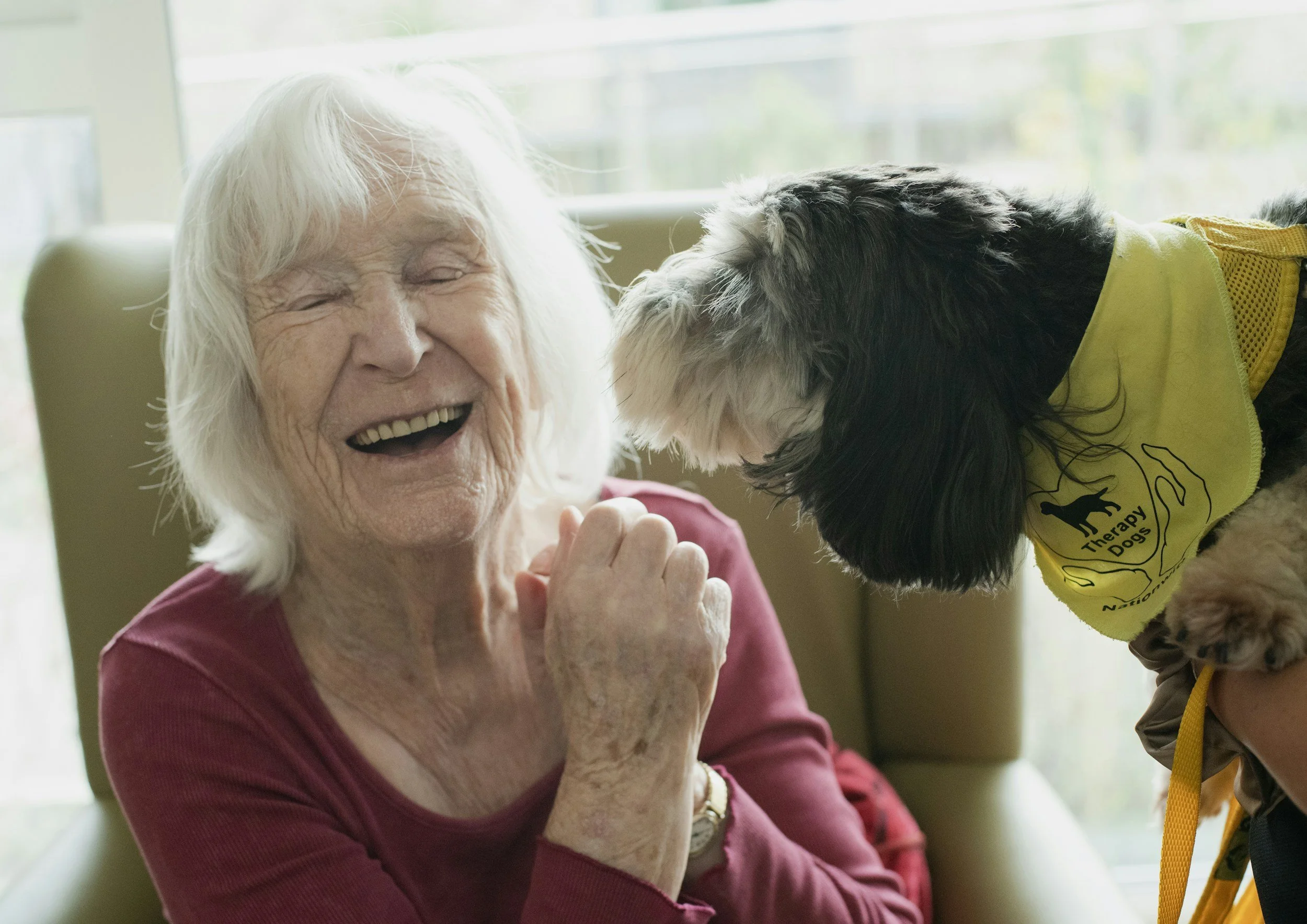
The love of a pet is priceless
Things to Consider When Moving With a Pet
The following checklist is designed to help seniors, families, and professionals think ahead and reduce stress for everyone involved.
1. Pet policy fit
Get specifics early.
Before falling in love with a community or suite, ask clear and direct questions:
Are pets allowed, and what types such as dogs, cats, or small animals?
Are there weight or breed restrictions?
Is there a limit on the number of pets?
Is there a one time deposit or a monthly pet fee?
Where are pets permitted, such as common areas and outdoor spaces?
Pet policies vary widely between communities, and assumptions often lead to disappointment later.
2. The pet’s quality of life in the new home
A move should support the wellbeing of both the person and the pet.
Does the layout allow safe movement for the pet, especially with stairs, slippery flooring, or balconies?
Is there nearby green space for short and frequent walks?
Is there a plan for winter weather, temporary mobility changes, or post-surgery recovery?
A smaller space can still be a good home, but only if it works for the pet’s daily needs.
3. The owner’s support plan
This is where many moves fall apart.
Ask practical questions and write the answers down.
Who walks the dog if the resident is unwell for a week?
Who helps with litter, grooming, nail trims, or vet visits?
Is there a reliable local backup person such as family, a friend, a concierge, or a dog walker, with clear instructions and access?
Having a support plan in place often determines whether keeping a pet is sustainable over time.
4. Reducing stress for the pet during the transition
Moves are stressful for animals too, especially when routines change.
Keep feeding, walking, and bedtime routines as consistent as possible.
Set up a familiar pet station right away with their bed, bowls, toys, or litter.
If possible, introduce the pet to the new neighbourhood or building before move day.
Small, thoughtful steps can significantly reduce anxiety for pets during a move.
If Keeping the Pet Is Not Possible
This is one of the hardest conversations, and it deserves care and compassion.
A constructive, non-shaming approach helps families make thoughtful decisions without guilt.
Consider temporary foster options while a longer-term housing plan is confirmed.
Explore family adoption arrangements where the senior can still visit, stay involved, and contribute to care.
Work with reputable rescues that support owner-to-owner rehoming and focus on careful matching.
The goal is the same in every situation: safety, dignity, and a good quality of life for both the person and the pet.
Where Your Senior’s Concierge Fits
We love working with clients who have pets because the pet is part of the household and part of the transition.
Our role is to reduce stress by helping families ask the right questions, plan realistic supports, and make moves safer and smoother for both the senior and their pet. When decisions are approached with empathy and clarity, transitions become less overwhelming and far more humane.
Pets matter. Planning well honours that bond.
If you or a loved one are preparing for a move, we invite you to learn more about our services. Explore our downsizing assistance here or discover our senior moving services here. Let us help make your transition a seamless and stress-free experience.